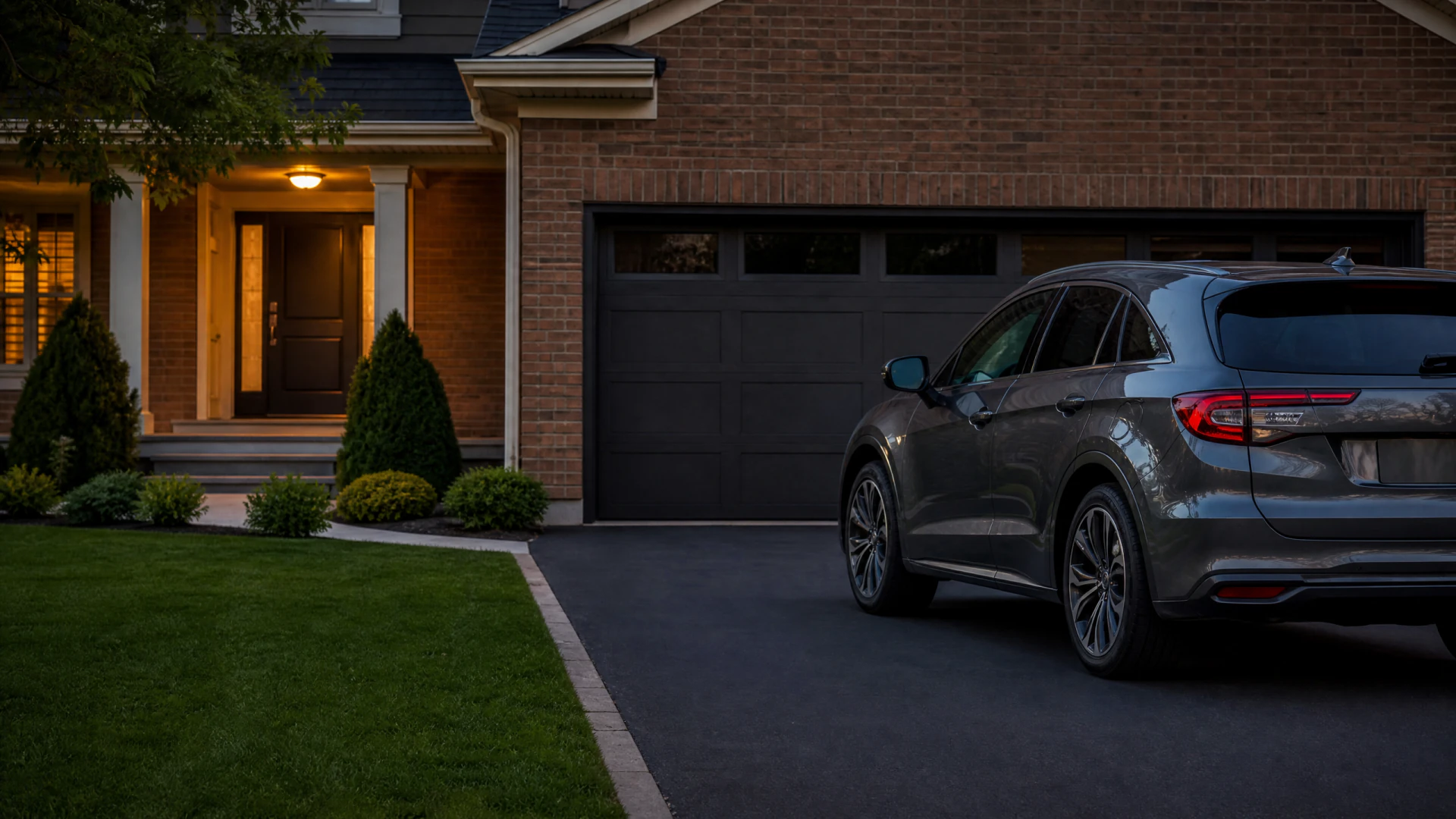
Do You Pay a Deductible in a Not at Fault Car Accident
If the other driver is clearly at fault, you usually don't pay a deductible, but it depends on how you file the claim.
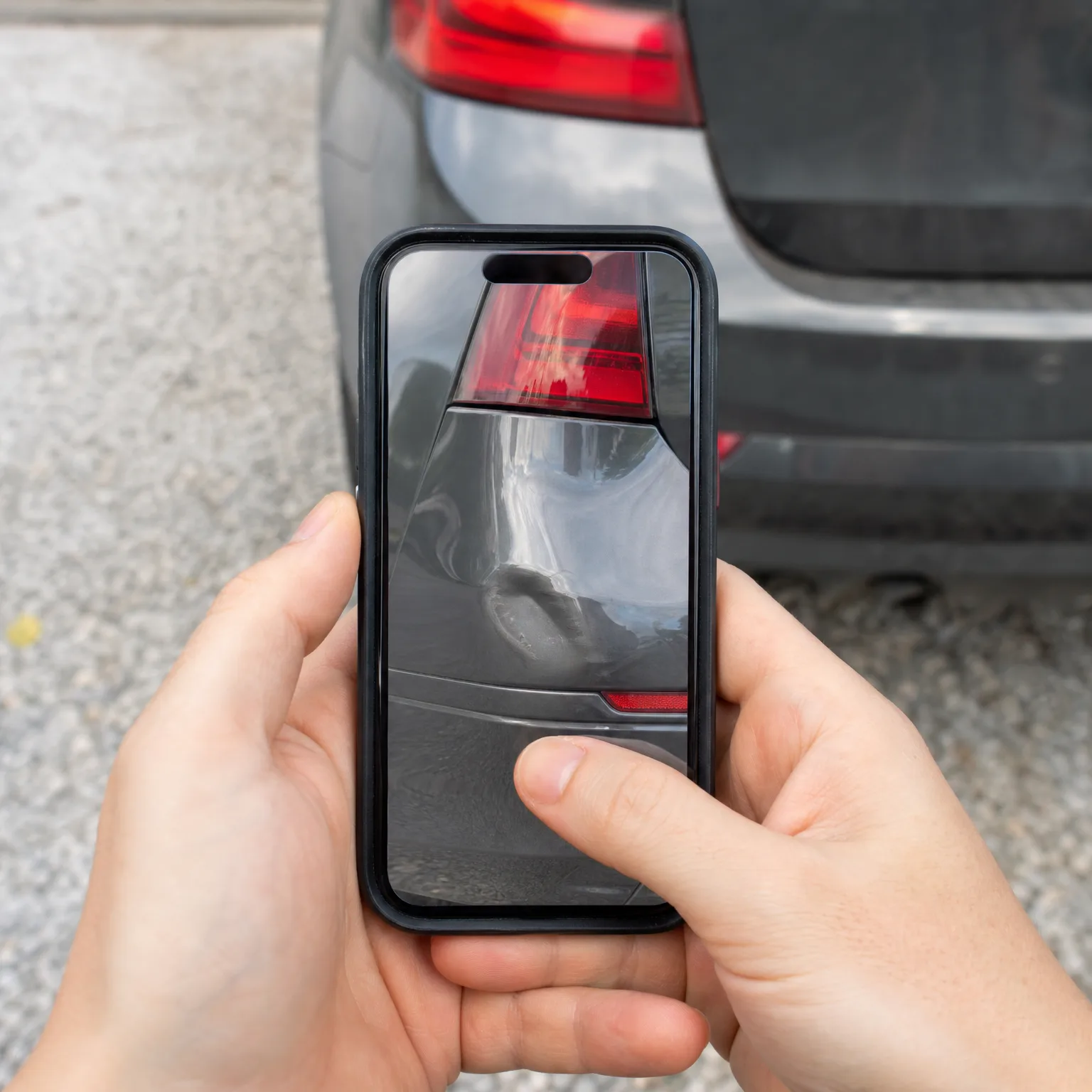
What decides whether you pay a deductible
- Who you file the claim with If you file against the other driver's insurer, there's no deductible involved. If you use your own collision coverage first, you pay your deductible upfront and may get it back later.
- Fault has to be clear Your insurer needs the other driver's company to accept fault before any deductible gets waived or refunded. If fault is disputed, you may pay the deductible while that gets sorted out.
- Speed matters after a move Using your own policy gets your car fixed faster, which can matter if you're now driving farther or relying on one car. Check how your insurer handles reimbursement timing before you decide.
- State rules on subrogation Some states handle fault and reimbursement differently, especially no fault states. Check your state's rules and your policy wording before assuming you'll get your deductible back.
- Your policy's deductible waiver Some policies waive the deductible automatically when the other driver is found fully at fault. Ask your insurer directly whether yours includes this, since it's not universal.
The short version
You don't pay a deductible if you file directly against the at fault driver's insurer and fault is clear. If you use your own collision coverage to get repairs started faster, you pay the deductible first and get it back once fault is confirmed. Ask your insurer how they handle reimbursement before choosing.
A rear end accident right after a move
You just moved and you're still learning your new commute when someone rear ends you at a light. The police report says it was their fault, and their insurer doesn't dispute it. You have two ways to get your car fixed. You can wait for the other driver's insurer to approve and pay for repairs directly, or you can use your own collision coverage to get moving faster and let your insurer recover the cost from the other side later.
You choose your own insurer because you need the car for your new commute and don't want to wait. You pay your deductible at the shop, and your insurer opens a claim against the other driver's company. A few weeks later, once fault is confirmed and the other insurer pays, your deductible gets refunded. The repair itself took about the same time either way, but having your insurer handle it meant less back and forth for you during a week already full of moving tasks.
Compare quotes now that you know how deductibles work in a not at fault claim.

Whether you file through your own insurer first
If you do
Your car gets into the shop faster since you're not waiting on another company's approval. You pay your deductible now, but your insurer handles getting it back once fault is confirmed. This is often simpler if you need the car back quickly for work or commuting.
If you don't
You wait for the other driver's insurer to accept fault and approve repairs, which can take longer. You never pay a deductible if they accept fault cleanly. But if they delay or dispute fault, your repairs stall until that's resolved.
What if the other driver's insurer denies fault or won't pay?
If the other insurer denies fault, your own insurer can still get your car repaired by using your collision coverage, as long as you have it. You'll pay your deductible at that point, and your insurer will pursue the other side separately to recover costs. If they succeed, you typically get your deductible back later.
This is one reason carrying collision coverage matters even when you're confident the other driver was at fault. Fault disputes happen more often than people expect, especially without witnesses or clear documentation. Keep photos, the police report, and any correspondence, since all of it helps your insurer make the case on your behalf and get your money back sooner.