Do I Pay My Deductible to Fix Someone Elses Car
No, you don't pay your deductible to fix the other person's car, your liability coverage pays for that, with no deductible involved.
Your deductible only applies to your own car
Your car insurance policy is really two separate coverages bundled together. Liability coverage pays for damage you cause to someone else's car or property, and it doesn't have a deductible. Collision coverage pays to fix your own vehicle after an accident, and that's the part with the deductible you chose when you bought the policy.
So if you caused the accident, your liability coverage pays the other driver's repair shop directly, up to your policy's limit. You don't pay anything out of pocket for their car, and no deductible comes out of that payment. Your deductible only comes into play if you also want your own car fixed through your collision coverage.
This is the same everywhere, because it comes from how the coverage is structured, not from where you live. What does vary by state is how fault gets decided and whether you're in a state where each driver's own insurer pays regardless of fault, called no-fault. Check your state's rules and your policy's declarations page to see which coverages you actually carry and what your limits are.
If the other driver was at fault, their liability coverage should pay for your car, and you'd only use your own collision coverage and deductible if you wanted your car fixed faster, before their insurer finishes investigating.
A fender bender after the move
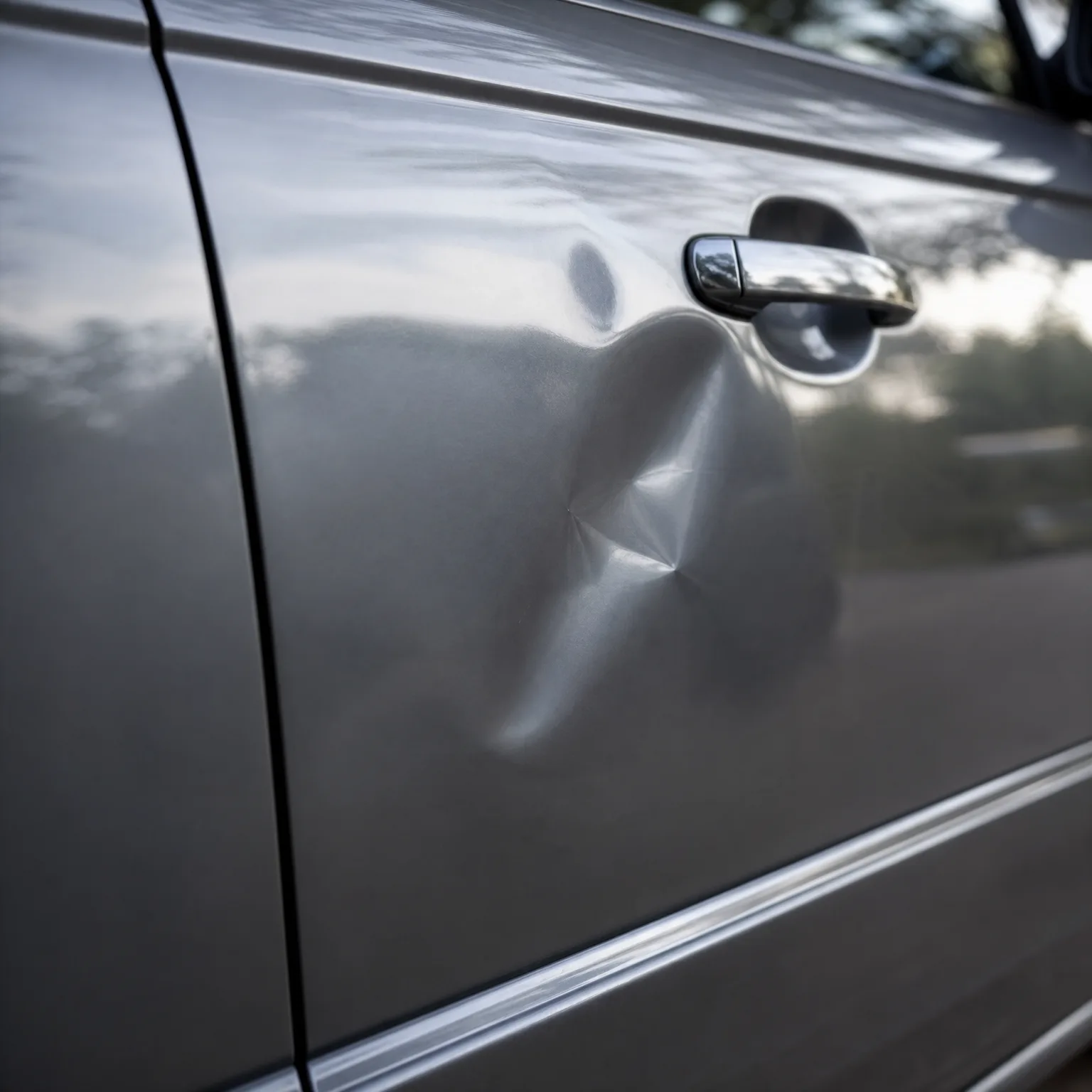
You're getting used to a new commute and you rear-end someone at a stop sign in unfamiliar traffic. It's clearly your fault. You exchange information and call your insurer that day. Your insurer opens a liability claim and sends an adjuster to look at the other car.
The other driver's repair shop sends the estimate straight to your insurer, and your insurer pays it from your liability coverage. You never touch your deductible, because that bill wasn't about your car. Your own car has a cracked bumper, so you also file a collision claim, and that's where your deductible applies. You pay that amount, your insurer covers the rest, and your car gets fixed at the same time as the other driver's.
What if my liability coverage isn't enough to cover the damage?
If the damage costs more than your liability limit, you're personally responsible for the difference, and the other driver's insurer or the driver themselves can pursue you for it.
This is exactly why raising your liability limits matters after a move, especially if you're now driving more, in heavier traffic, or somewhere repair and medical costs run higher. Check your current limits on your declarations page and compare them against what a serious accident could realistically cost in your new area before you decide they're high enough.
Compare quotes now that you know your deductible covers only your own car, not someone else's.

Whether you raise your liability limits after the move
If you do
Your liability coverage stretches further if you cause a serious accident in your new area. You pay a bit more per term, but you're protected from owing money out of pocket if repair or medical costs exceed your old limits. This matters more if your commute or traffic got heavier.
If you don't
You keep your old limits, which may have been fine for your previous commute but not for new traffic patterns or costs. If you cause a bigger accident, you could be personally on the hook for whatever your policy doesn't cover. You won't know you're underinsured until it happens.
What actually decides who pays what
- Fault decides which policy pays If you caused the accident, your liability coverage pays the other driver. If they caused it, their liability pays you. Figure out fault first, since everything else follows from it.
- Deductibles only cover your car Your deductible is tied to your collision coverage, which fixes your own vehicle. It never applies to the other person's repair bill, no matter who was at fault.
- No-fault states work differently Some states have each driver's insurer pay their own driver's medical costs regardless of fault. Check whether your new state is a no-fault state, since it changes how claims get filed.
- Limits cap what you owe Your insurer only pays up to your liability limit if you're at fault. Anything above that becomes your personal responsibility, so check your limits against realistic repair costs.
- A new zip code changes risk Traffic density, accident rates, and repair costs vary by area. After a move, check whether your old limits and deductible still make sense for where you live now.
Does my insurance rate go up if the accident wasn't my fault?
Usually not, since insurers mainly raise rates for at-fault accidents. Check your policy's accident forgiveness terms and ask your insurer directly, because a not-at-fault accident can still sometimes show up in your claims history and affect future pricing depending on the insurer. If you were found even partially at fault, that portion can affect your rate.
What changes the answer is whether the other driver's insurer disputes fault, which can delay things and temporarily leave the accident looking unresolved on your record.
Should I bundle my new home and car insurance together?
It depends on whether the combined price beats what you'd pay for each separately from different companies. Bundling often simplifies billing and can lower your total cost, but not always, so compare the bundled price against separate quotes before deciding.
What matters most is checking whether your home insurer's car coverage is actually competitive, not just convenient, since convenience alone shouldn't decide it.
Do I need to update my car insurance after moving?
Yes, you need to tell your insurer your new address, since your rate is based partly on where you live. Check that your coverage still fits your new commute, parking situation, and local traffic before your next renewal.
If you moved to a new state entirely, you may need an entirely new policy, since coverage requirements and minimums differ by state.