Do I Need to Insure Both of My Two Cars
Yes, if both cars are registered and driven or parked somewhere they could be hit, both need their own coverage.
Insurance follows the car, not just the driver
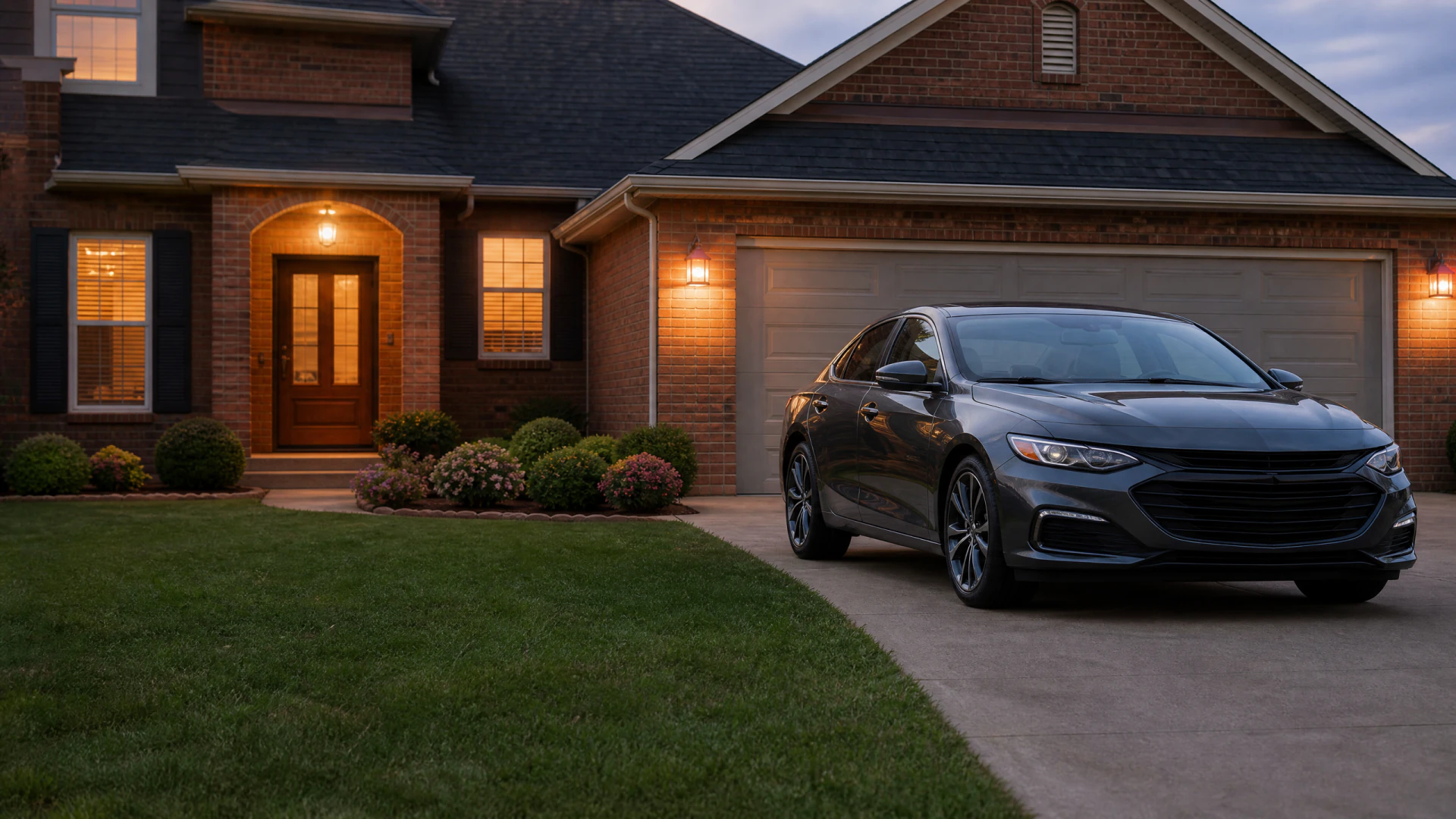
States require coverage on any vehicle that's registered and able to be driven, because the obligation is tied to the car existing on the road, not to how often it moves. If a car has plates and sits in your driveway, it's treated as a car that could cause an accident today, so most states and lenders expect it to carry at least liability coverage.
The exception is a car that's been taken off the road entirely. If you file the paperwork to suspend registration and surrender the plates, many states let you drop coverage until you reinstate it. This is different from just not driving the car. An unregistered car parked on your property is usually fine to leave uninsured, but a registered one, even one you rarely touch, generally isn't.
What changes by state is how strict this is and what counts as proof. Some states check registration against insurance records automatically and flag a lapse within days. Others rely on spot checks or renewal time. Check your state's DMV site for how it verifies coverage, because a lapse that goes unnoticed in one state can trigger a suspended registration in another.
There's also a household question insurers ask that trips people up. If both of you drive, most insurers want both cars and both drivers on one policy, even if you each mainly drive one car. This isn't really about legal requirement, it's about how insurers price risk. They assume either driver could end up behind either wheel, so leaving one car or one driver off can be treated as misrepresentation later, right when you need a claim paid.
What if one car is barely driven, does it still need full coverage?
It still needs liability coverage in most states as long as it's registered, but you have real choices beyond that. Liability is usually non-negotiable while a car is on the road. Comprehensive and collision, the coverage that pays for damage to the car itself, are optional once you own the car outright rather than financing it.
For a car that mostly sits, dropping collision and keeping comprehensive, which covers theft, fire and weather, is a common middle ground. Some insurers also offer reduced-use or storage categories for cars driven rarely, which can lower the cost without removing the coverage entirely. Ask directly what options exist for low-mileage vehicles, since this varies by insurer and isn't always advertised.

Whether you insure the second car now
If you do
Both cars show active coverage, so you're covered if the rarely driven one gets backed into, stolen, or damaged in a storm. Your registration stays valid during random checks. If anyone else drives it, even once, there's no gap exposing you to a denied claim or an out of pocket accident.
If you don't
If the car is still registered, you risk a lapse notice, a suspended registration, or a fine depending on your state's enforcement. If it's damaged, stolen, or someone drives it and causes an accident, you pay entirely out of pocket. The risk sits quietly until the one day it doesn't.
Now that you know both cars need coverage, compare quotes to see what insuring them together actually costs.

Can I insure one car and leave the other registered but uninsured?
Generally no, not without risking a lapse flag or suspended registration, because most states link active registration to proof of insurance. A few states allow a formal uninsured motor vehicle filing if the car never leaves private property, but this isn't universal. Check your state DMV for whether this option exists and what it requires, since doing it without the filing can cost you the registration itself.
Will insuring two cars under one policy cost less than two separate policies?
Usually yes, because insurers price a multi-car policy as one household risk rather than two unrelated ones, which often lowers the combined cost. This isn't guaranteed everywhere or with every insurer, so it's worth comparing a combined quote against separate ones for your specific cars and drivers before deciding. Ask the insurer directly how they calculate the multi-car adjustment.
Does the second car need the same coverage limits as the first?
Not necessarily, you can usually set different limits per car based on its value and how it's used. A newer or more valuable car often carries higher comprehensive and collision limits, while an older low-value car might only carry liability. What has to match in some states is the liability limit, since that protects other people, not the car. Check your state's minimum and your insurer's rules on mixing limits across one policy.
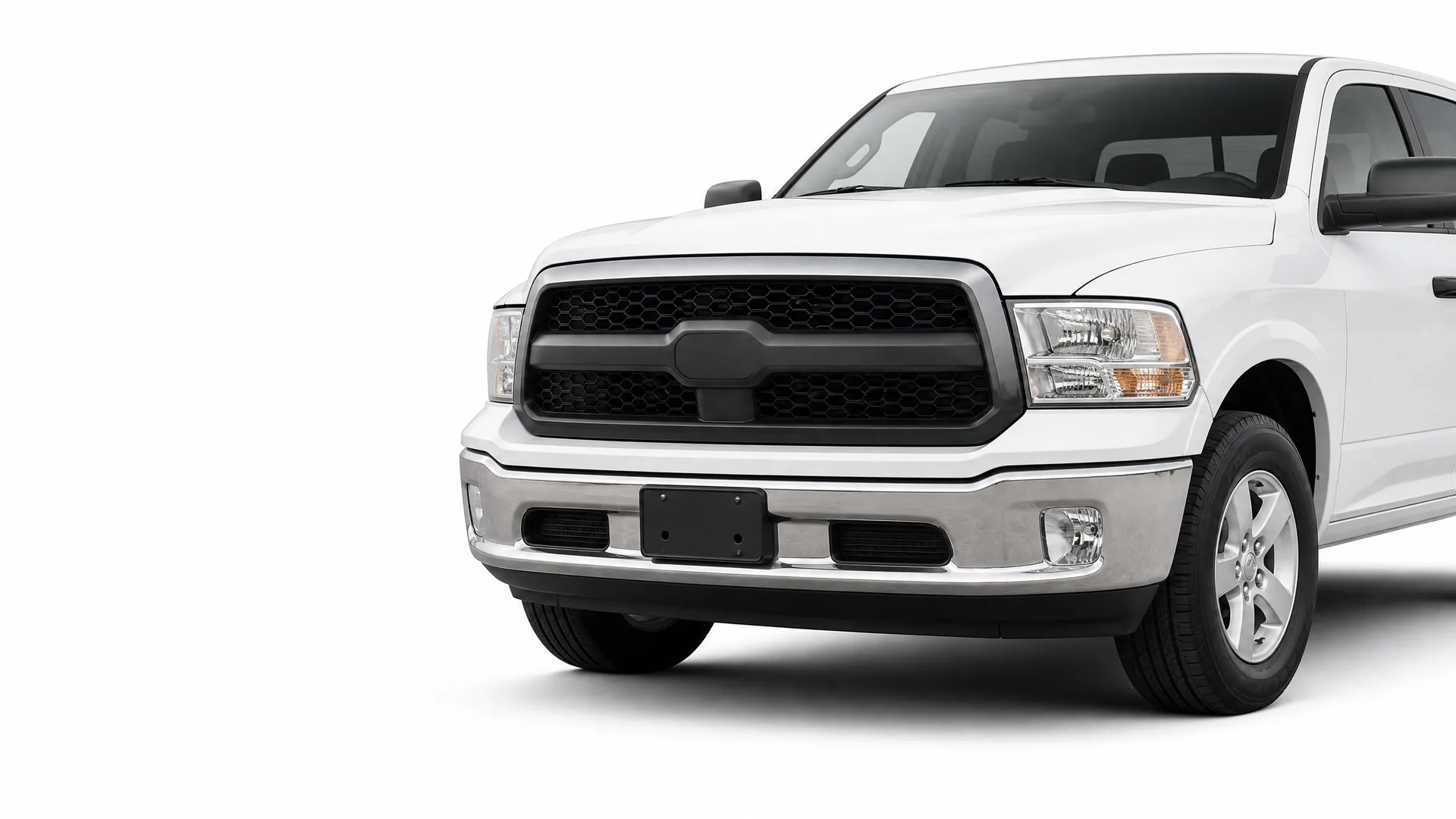
The car doesn't need to be driven to need coverage, it just needs to be capable of being driven.