Do I Have to Keep Insurance on a Car That Does Not Run
It depends on where the car sits and what you plan to do with it, not just whether the engine turns over.
The rule follows the car's status, not its condition
Insurance requirements are tied to registration, not to whether a car can drive. If the car stays registered, most states still require at least liability coverage on it, even if it hasn't moved in months. The car not running doesn't change its legal status in the eyes of the state or your insurer.
This is because registration is what puts a car on public record as a vehicle that could be driven. The state doesn't verify day to day whether your car works. It just knows the car exists and is tied to your name, so the insurance requirement stays attached until you formally remove it by canceling the registration or reporting the car off the road.
Where things vary is in what happens next. Some states let you file paperwork that suspends both registration and insurance requirements together, often tied to turning in your plates. Others have no such option and expect continuous coverage as long as the car is registered at all. Check with your state's motor vehicle agency to see what applies.
There's also a separate question from the legal one. If the car sits in a driveway or garage and could be damaged, stolen, or cause damage even while parked, you may still want some coverage for that, regardless of what the law requires. That's a decision about risk, not registration.
What actually determines if you need coverage
- Registration status If the car is still registered, most states expect it to carry at least liability coverage. Canceling registration is usually the step that removes the requirement.
- State suspension options Some states let you suspend insurance along with registration if you turn in your plates. Check your state's process before assuming you can simply let coverage lapse.
- Where the car is parked A car on a public street usually has stricter rules than one parked on private property. Confirm what your state and local rules say about unregistered vehicles.
- Risk of damage or theft An uninsured car can still be stolen, vandalized, or damaged by weather. Comprehensive-only coverage is often available if you want protection without full liability.
- Plans to sell or fix it If you'll drive it again soon, keeping insurance active avoids a lapse that can raise future rates. If it's gone for good, canceling registration closes the requirement cleanly.

Canceling coverage on a car that doesn't run
If you do
You stop paying premiums right away, which helps if money is tight. But you also need to cancel the registration at the same time in most states, or you risk fines or a lapse that insurers may ask about later when you buy a new policy.
If you don't
You keep paying for coverage on a car that isn't being driven, which feels wasteful. But the registration stays valid, there's no lapse to explain later, and the car stays protected against theft or damage while it sits.
Now that you know what this car actually needs, compare quotes to see what keeping or dropping coverage costs.
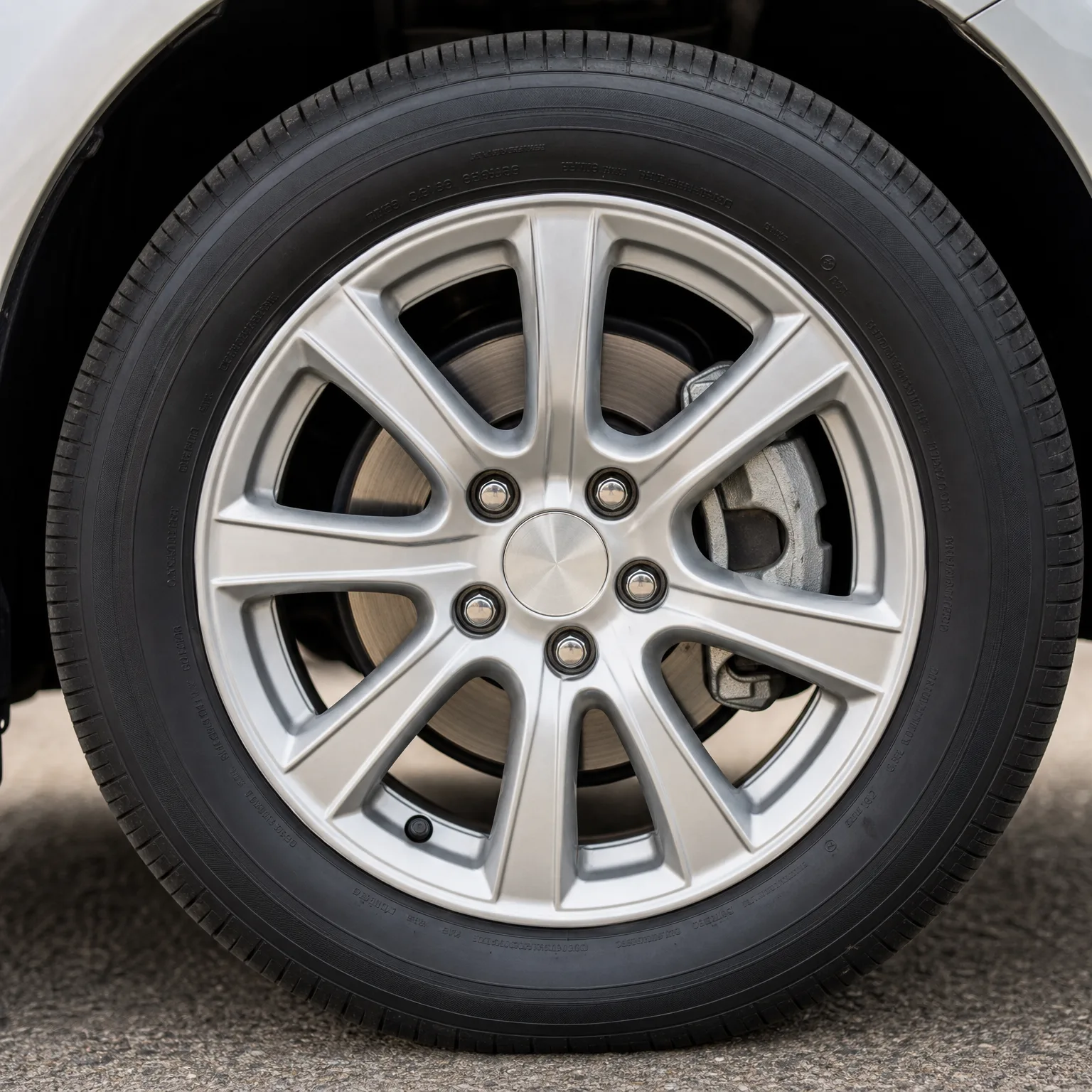
A car that stopped running in the driveway
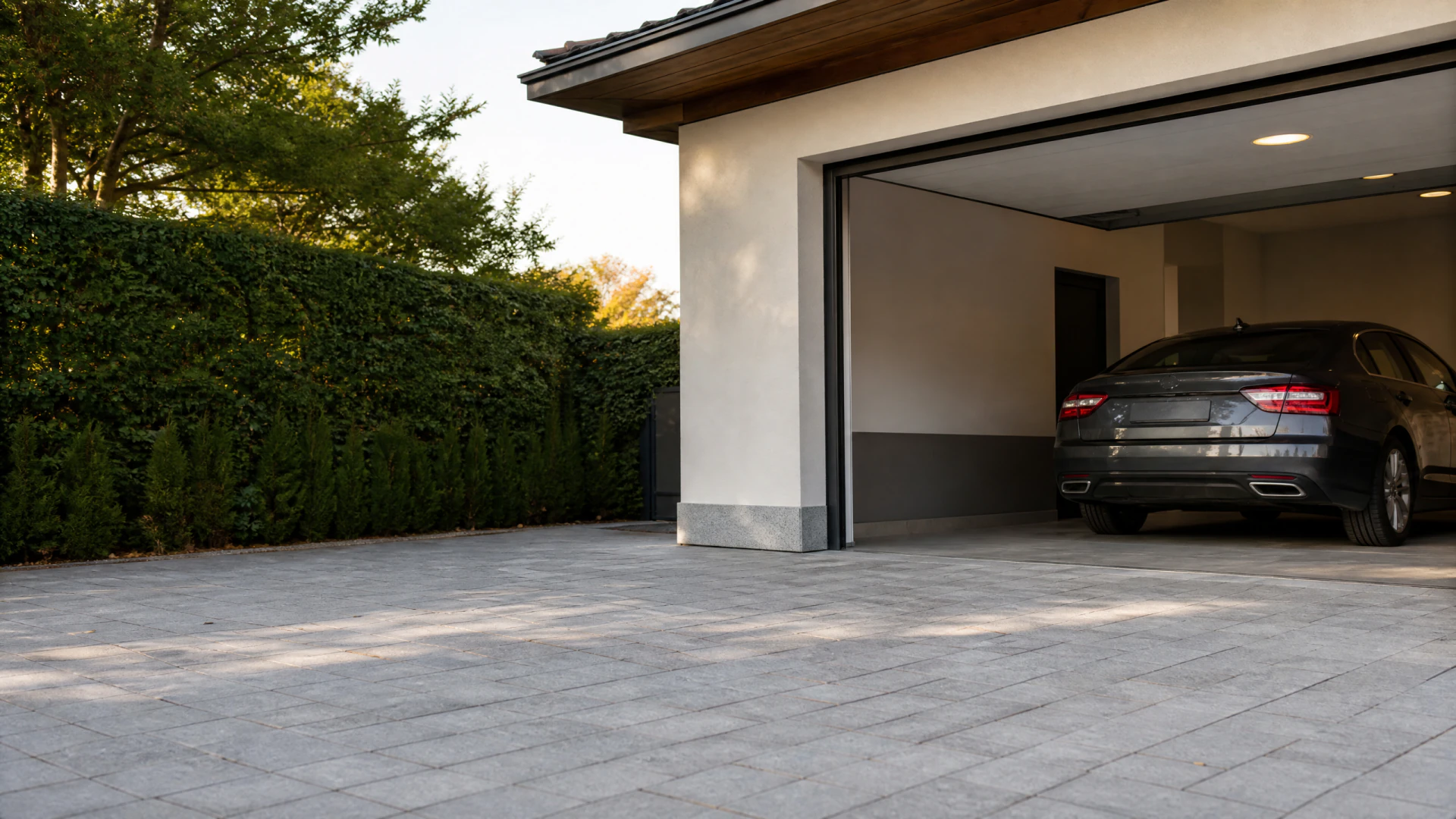
Say your second car's transmission failed and fixing it costs more than the car is worth. It's been sitting in the driveway for two months while you decide whether to sell it for parts or junk it. You're still paying full coverage on it out of habit, on top of your new mortgage and homeowners policy.
You check your state's motor vehicle site and find that registration can be suspended if you surrender the plates, which also removes the insurance requirement. You call your insurer, drop to comprehensive-only coverage for the few weeks until you sell it, then cancel entirely once the sale goes through. You avoid paying for liability coverage on a car that never left the driveway, but you still have some protection in case it's damaged before the sale closes.

The requirement follows the paperwork, not the engine, so a broken car can still legally need coverage.
Can I just remove liability and keep comprehensive on a car that doesn't run?
Yes, many insurers offer comprehensive-only coverage for vehicles that aren't being driven. It protects against theft, fire, and weather damage without the cost of full liability. This works well for a car sitting in storage or awaiting repair. Check with your insurer whether this option exists and whether your state still requires liability as long as the car stays registered.
Will canceling insurance on one car raise rates on my other car?
It can, especially if the canceled car was part of a multi-car discount with your current insurer. Removing one vehicle sometimes shifts the remaining car's rate higher to reflect the loss of that discount. Ask your insurer to show the per-car breakdown before you cancel, so you know whether the change saves money overall or only shifts the cost.
What happens if I let registration and insurance lapse without canceling properly?
You risk fines, penalties, or a flagged record with your state's motor vehicle agency, and insurers may see the lapse later. A clean cancellation avoids that by formally ending both at once. If you plan to let a car sit unused, contact your state agency directly to confirm the correct way to suspend registration, rather than letting coverage expire on its own.