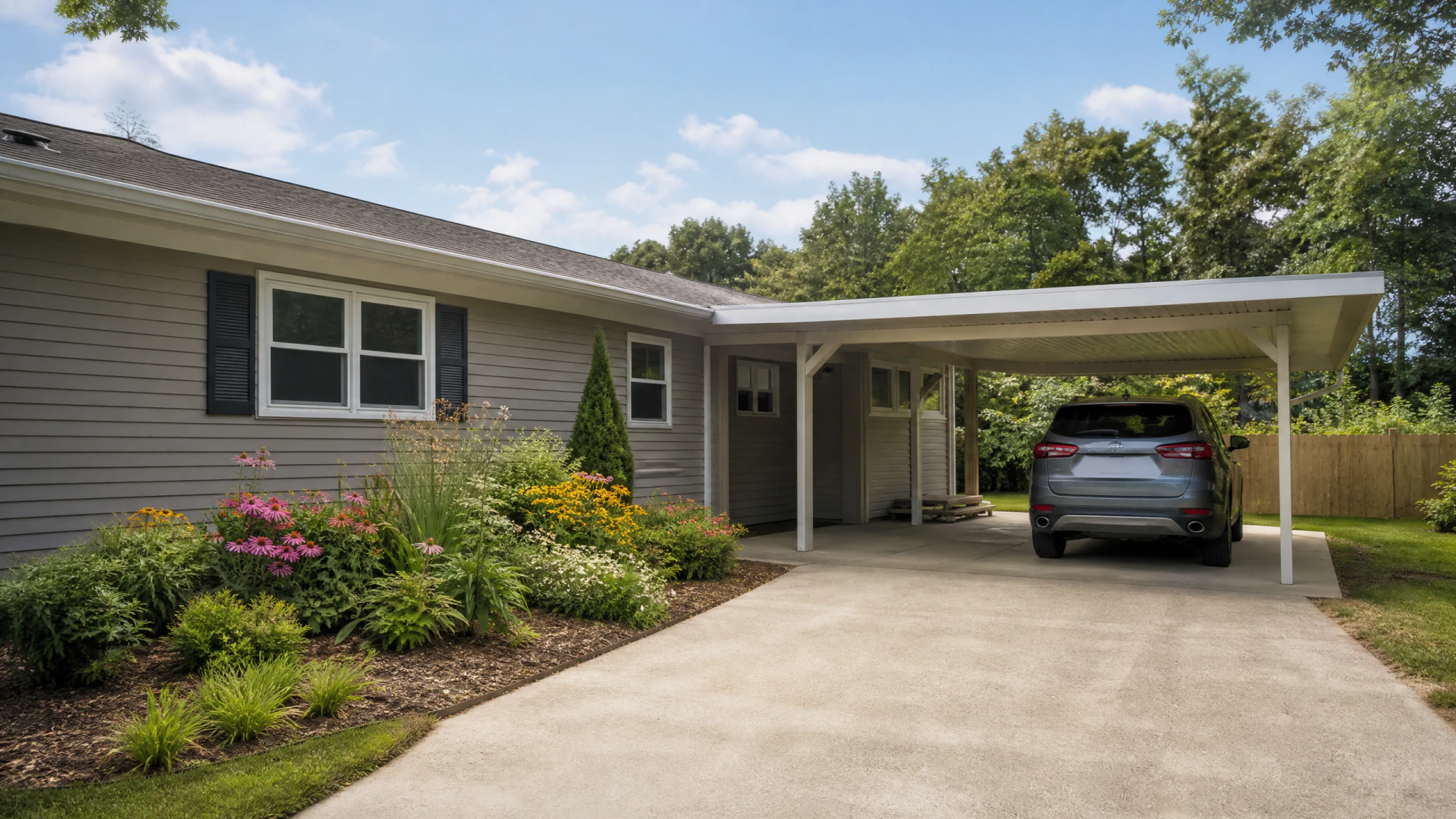
Can You Have Two Cars Under One Insurance Policy
Yes, both cars can sit on one policy, and for most homeowners with two vehicles it's the cheaper, simpler setup.
Insurers price multi-car policies lower since risk is predictable
An insurer looking at one household with two cars sees less risk per car than two separate households with one car each. You're not driving both cars at once, so the chance of two claims happening the same day is low. That predictability is worth something to the insurer, and they pass part of it back to you as a lower combined rate.
Putting both cars on one policy also means one renewal date, one deductible structure to track, and one company to call if something goes wrong. That's less a pricing reason and more a sanity reason, but after a move it matters. You already have a mortgage and a homeowners policy competing for your attention.
There are cases where splitting makes more sense. If one car is driven by someone with a rough driving record and the other by someone with a clean one, combining them can sometimes raise the good driver's rate because the policy blends risk. A new garage, a new commute, or a car that now sits in a driveway instead of a street can also shift things enough that it's worth pricing both ways before deciding.
State rules and insurer practices vary on how much they reward multi-car households, and some insurers cap how many vehicles or drivers can share a policy. Check with whoever you're asking for a quote rather than assuming the discount is automatic or fixed.
A couple who moved and had two cars for the first time under one roof
A couple bought a house together after each living alone for years. One had a sedan already insured under an old policy from a previous apartment, the other had a truck insured separately through a different company. After the move, both cars sat in the same driveway behind the same garage door for the first time. Neither had thought about whether that changed anything about their coverage.
They called their insurer to update the address on the sedan's policy and asked what it would cost to add the truck instead of keeping it separate. The combined quote came in lower than the two separate renewals added together, and they also realized the truck had been carrying higher liability limits than the sedan for no clear reason. They matched the limits, moved both cars onto one policy, and set a single renewal date so neither would quietly lapse again.
The real decision isn't which company to pick, it's whether your two cars should still be priced separately.
Now that you know how combining your cars works, compare quotes to see what one policy for both actually costs.
Does combining our cars mean using the same insurer as our home policy?
No. Combining both cars onto one auto policy is a separate decision from bundling auto and home together. You can put both vehicles on one car insurance policy without touching your homeowners policy at all, and many people do exactly that.
Bundling home and auto with the same insurer is a different kind of discount, based on the insurer wanting more of your business, not on how many cars you own. You can pursue both separately, combine the cars now and bundle with the home insurer later, or never bundle at all and still get the benefit of one auto policy covering both vehicles. Check what each insurer offers for each type of combination, since the two discounts don't always stack the way people expect.
What actually changes when you put both cars on one policy
- One renewal date Both cars renew together instead of on separate schedules. Check your current renewal dates before switching so you know what you're giving up or gaining.
- Shared or matched limits Combining often means both cars carry the same liability limits. Decide together what limit makes sense now, rather than letting one car's old limit carry over by default.
- One deductible to track You'll likely set one deductible structure across both vehicles instead of two different ones. Pick a number you could actually pay out of pocket if either car were in an accident.
- Discount needs both cars insured The lower combined rate usually assumes both vehicles stay on the policy. Ask what happens to your rate if one car is sold or totaled later.
- Address resets your risk profile Your new zip code, garage, and commute all feed into the quote regardless of combining. Give the insurer accurate details on all three so the quote reflects reality.
Will adding my spouse's car raise my rate if they have a worse driving record?
It can, because combining vehicles usually means combining the risk profile of both drivers listed on the policy. If one driver has a rougher record, that history can pull the overall rate up even on the car the cleaner driver uses. Ask for a quote both ways, combined and separate, before deciding. Some insurers let you list a driver as primary on a specific car, which can limit how much their record affects the other vehicle. Check whether that option exists before assuming combining is automatically worse.
Does a garage actually lower my car insurance rate?
Usually yes, because a garaged car is less exposed to theft, vandalism, and weather damage than one parked on the street. Insurers often ask where each car is stored overnight and price accordingly. The effect is usually modest rather than dramatic, and it varies by insurer and by how risky your previous parking situation was. Mention the garage specifically when you get a quote, since some insurers won't ask directly and you'd otherwise miss the adjustment.
Should we keep separate deductibles for each car even on one policy?
You can, and it sometimes makes sense if the two cars have very different values. A higher deductible on the less valuable car and a lower one on the newer or pricier car can balance your monthly cost against your actual risk. There's no universal rule here, so ask your insurer whether they allow different deductibles per vehicle on a combined policy, since not all of them do.