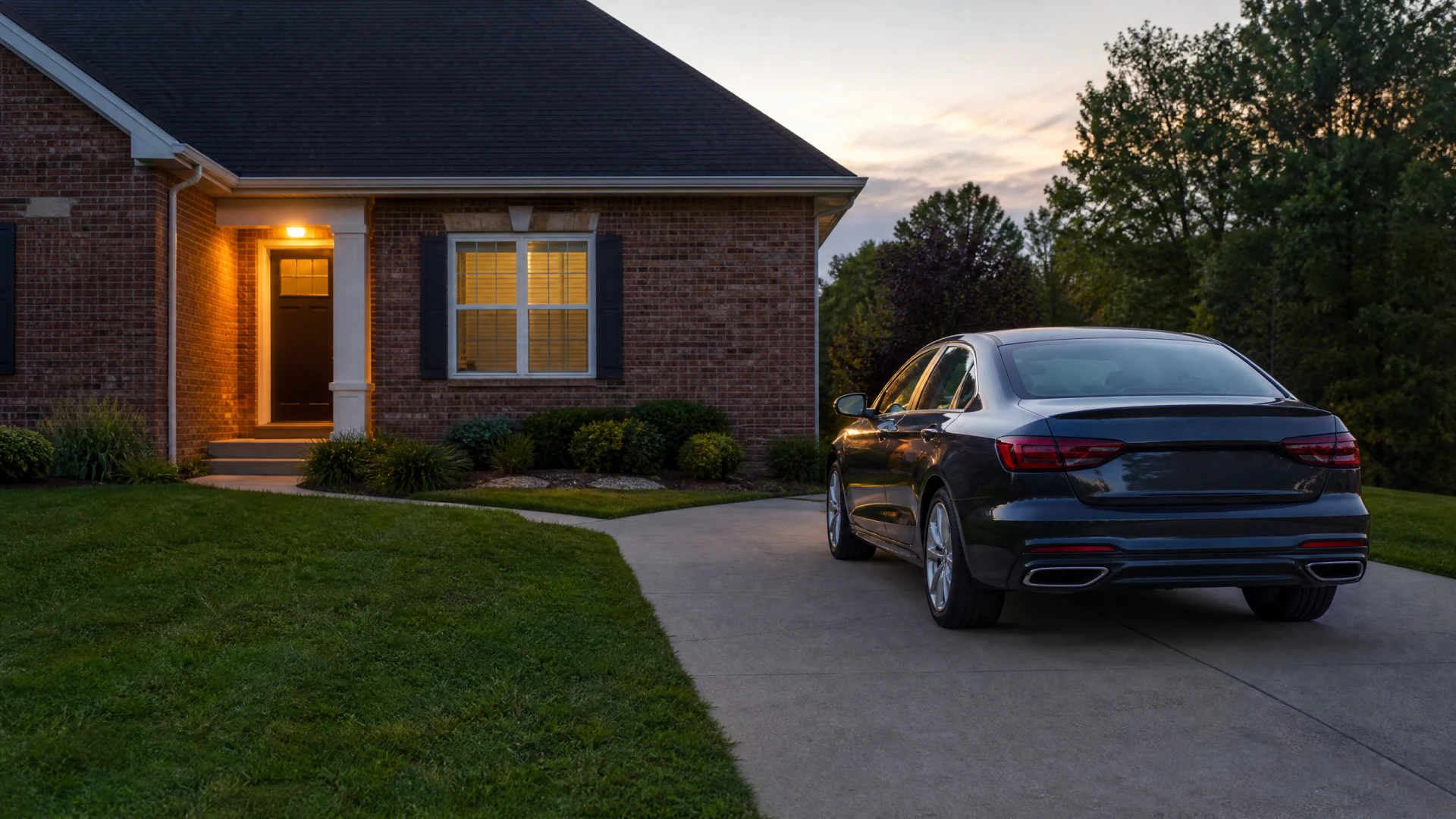
Can I Be the Main Driver on Two Different Cars
Yes, you can be the main driver on two different cars, as long as both get listed accurately on your policy.

What matters when you list two main drivers
- List drivers by actual use The main driver on each car should be whoever drives it most, not just whoever owns it. Be honest here, since mismatched answers can cause problems later if you file a claim.
- Each car needs its own listing Insurers want to know who primarily drives which vehicle, even if you drive both sometimes. Tell your insurer or agent the real pattern so each car is rated correctly.
- Your address affects both cars Moving can shift your rate on every vehicle you insure, not just one. Update your address for both cars at the same time so nothing gets missed or miscalculated.
- A garage can change one rate If you now park in a garage, that may lower risk on whichever car uses it. Mention this detail car by car since it won't automatically apply to both.
- Bundling needs driver detail too Combining home and auto can simplify billing, but it doesn't replace telling the insurer who drives what. Keep giving accurate driver assignments even if everything is bundled together.

The short version
Yes, you can be the main driver on two cars, as long as you tell your insurer who actually drives each one. This keeps both policies accurate after your move. Update your address, mention any garage, and confirm driver assignments on each car before you compare quotes.
Does it cost more to be the main driver on two cars?
Not automatically. Cost depends on how each car is used, where it's parked, and what coverage you choose, not simply on being listed as the main driver twice. Two accurately rated cars can sometimes cost less combined than one mismatched or misclassified vehicle.
What changes the number is usually the details underneath the labels. A car that sits in a garage overnight may cost less to insure than one parked on the street, even with the same driver. A shorter commute can lower your rate, while a longer one can raise it. If your household now has two drivers instead of one, your insurer needs to know who uses each car most, since that shapes the rate for both vehicles separately.
The best way to know your real number is to give your insurer the full picture of your new situation and then compare quotes. Guessing or leaving old details from before your move is more likely to cost you than being a main driver on two cars ever would.
Now that you know how two main drivers get listed correctly, compare quotes to see what your setup actually costs.
Why insurers let one person be the main driver twice
Insurance is built around risk per vehicle, not risk per person. Each car has its own history, its own location overnight, and its own pattern of use, so insurers assess them separately even when the same person drives both. Being the main driver on two cars simply means you're the person whose habits most shape the rate for each one.
This matters more after a move because your risk profile just changed twice at once. A new zip code can shift theft rates, accident frequency, and weather exposure for every car you own, not just one. If you now park in a garage instead of a driveway or street, that can lower risk for whichever car uses it, but it has to be reported car by car since insurers don't assume it applies evenly.
Where this gets more complex is when a household has two cars and two different drivers, or when one car is driven occasionally by someone else. Insurers want the person who drives most often listed as primary, and a secondary driver added if someone else regularly uses the same vehicle. Leaving this vague or outdated is what causes mismatches, not the simple fact of being primary on two vehicles.
State rules and individual insurer policies can differ on how they define primary use or how they weigh a garage versus street parking. Some ask more detailed questions than others. The reasoning stays the same everywhere, accuracy keeps your rate fair, but the exact method varies, so it's worth asking your insurer directly how they classify your specific situation.
The rate follows accuracy, not the number of cars you're listed as main driver on.
Do I need to add my spouse as a driver on both cars?
You need to list anyone who regularly drives either car, whether that's a spouse, partner, or anyone else in the household. If they only drive occasionally, say so, since insurers often distinguish between primary and occasional drivers. Leaving a regular driver off the policy can cause issues if that person is ever in an accident. Check with your insurer about how they define regular use, since the threshold can vary.
Should I combine my car and home policies now that I own a house?
It depends on whether combining saves you money and simplifies your paperwork, not on any rule that says you must. Bundling can make sense for convenience and sometimes for cost, but it's worth comparing bundled and separate quotes before deciding. Your home policy and car policy are still assessed on separate risks underneath, so bundling is a billing and discount decision, not a coverage requirement.
How do I know if my coverage limits are still right after moving?
Check your limits against your new mortgage, your area's typical costs, and your own finances, since what fit your old situation may not fit this one. A new zip code can carry different risk levels, and your lender's required minimums won't necessarily match what actually protects you. Ask your insurer what's typical in your new area and compare that against your current limits before renewing.