At What Point Should I Drop Comprehensive Insurance
Drop comprehensive once your car's value drops below what a year of premiums plus deductible would cost you to carry it.
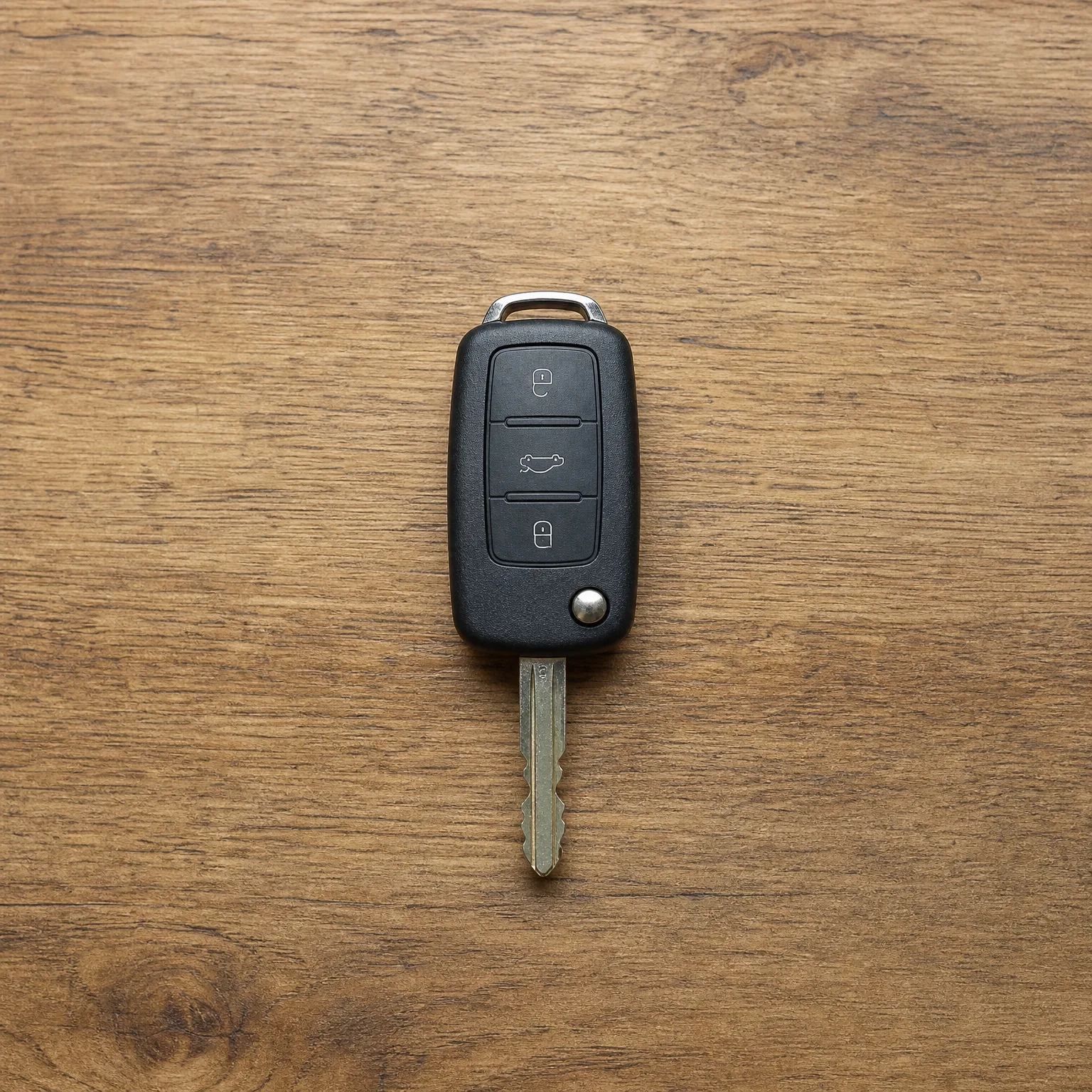
A paid-off car after the move
After buying their house, a couple realized their older sedan, now parked in a driveway instead of a street spot, still carried comprehensive coverage from years back. The loan was paid off, the car had some age on it, and they hadn't looked at whether that coverage still made sense. They pulled up the car's current value using a few free estimators and compared it against what they were paying yearly for comprehensive plus what they'd owe out of pocket if they filed a claim.
The math was close, so they called their insurer and asked directly what the car was worth to them in a total-loss claim. The number came back low enough that a year or two of premiums would equal most of that payout. They dropped comprehensive on that car but kept it on the newer one still being driven daily and parked on the street near their old apartment some weekends. The decision came down to that one car's value, not a general rule about dropping coverage once a loan is paid off.
What happens if my car is stolen or totaled and I dropped comprehensive?
You get nothing from your insurer for the car itself. Comprehensive is what pays out for theft, fire, vandalism, falling objects, and weather damage. Without it, you're covering the full cost of replacing or repairing the car yourself, which is exactly the tradeoff you're making when you drop it.
This is why the decision should rest on whether you could absorb that loss comfortably. If losing the car wouldn't strain your finances, dropping comprehensive is a reasonable bet. If it would, keep the coverage even if the premium feels like a stretch, because the point of insurance is covering the losses you can't afford, not the ones you can.

Now you know if comprehensive still earns its keep, so compare quotes and see what each choice costs.

Check these before you cancel comprehensive
- Current car value Look up what your specific car would actually sell for today, not what you paid for it. This number is the whole basis for the decision, so get it right before anything else.
- Your deductible size A high deductible already limits what comprehensive would pay you in a claim. Factor that into whether the remaining payout still justifies the premium.
- Lender or lease requirements If you're still financing or leasing the car, your lender likely requires comprehensive and collision. Check your loan or lease terms before you touch this coverage.
- Where you park now A new garage or driveway lowers theft and weather risk compared to street parking. That shift is worth factoring in, though it's rarely enough alone to justify dropping coverage.
- Your savings cushion Dropping comprehensive means you're self-insuring for theft and weather damage. Make sure you actually have the cash set aside to replace the car if something happens.
Why this comes down to math, not a milestone
Comprehensive exists to cover losses you can't easily absorb yourself, like a stolen car or one destroyed by a falling tree. The question of when to drop it isn't about age, mileage, or paying off a loan. It's about whether the car's current value still justifies what you're paying to protect it. Once the potential payout gets close to what you'd spend on premiums over a year or two, the coverage stops making financial sense.
This is why there's no fixed point that applies to everyone. Two people with identical cars can reach different answers depending on their deductible, their driving habits, and how much risk they're comfortable carrying themselves. Someone who parks on a busy street every night faces different odds than someone with a locked garage, even if their cars are worth the same amount.
Lenders complicate this for anyone still financing or leasing. They typically require comprehensive and collision until the loan is paid off, regardless of what the math says, because they have a financial stake in the car too. Once you own the car outright, the decision becomes entirely yours, and that's usually the point people start reconsidering.
The exception is anyone who couldn't easily replace the car out of pocket. Even if the value is low, if losing that car would create real hardship, the premium is usually still worth paying. The math matters, but so does what you can actually absorb if the worst happens.
This isn't about your car's age. It's about whether you could replace it yourself if it were gone tomorrow.