50/100 vs 100/300 Car Insurance Liability Limits
100/300 gives you six times the per-accident protection of 50/100, and for most new homeowners it's worth the modest extra cost.

A new homeowner who carried the old minimum into a new house
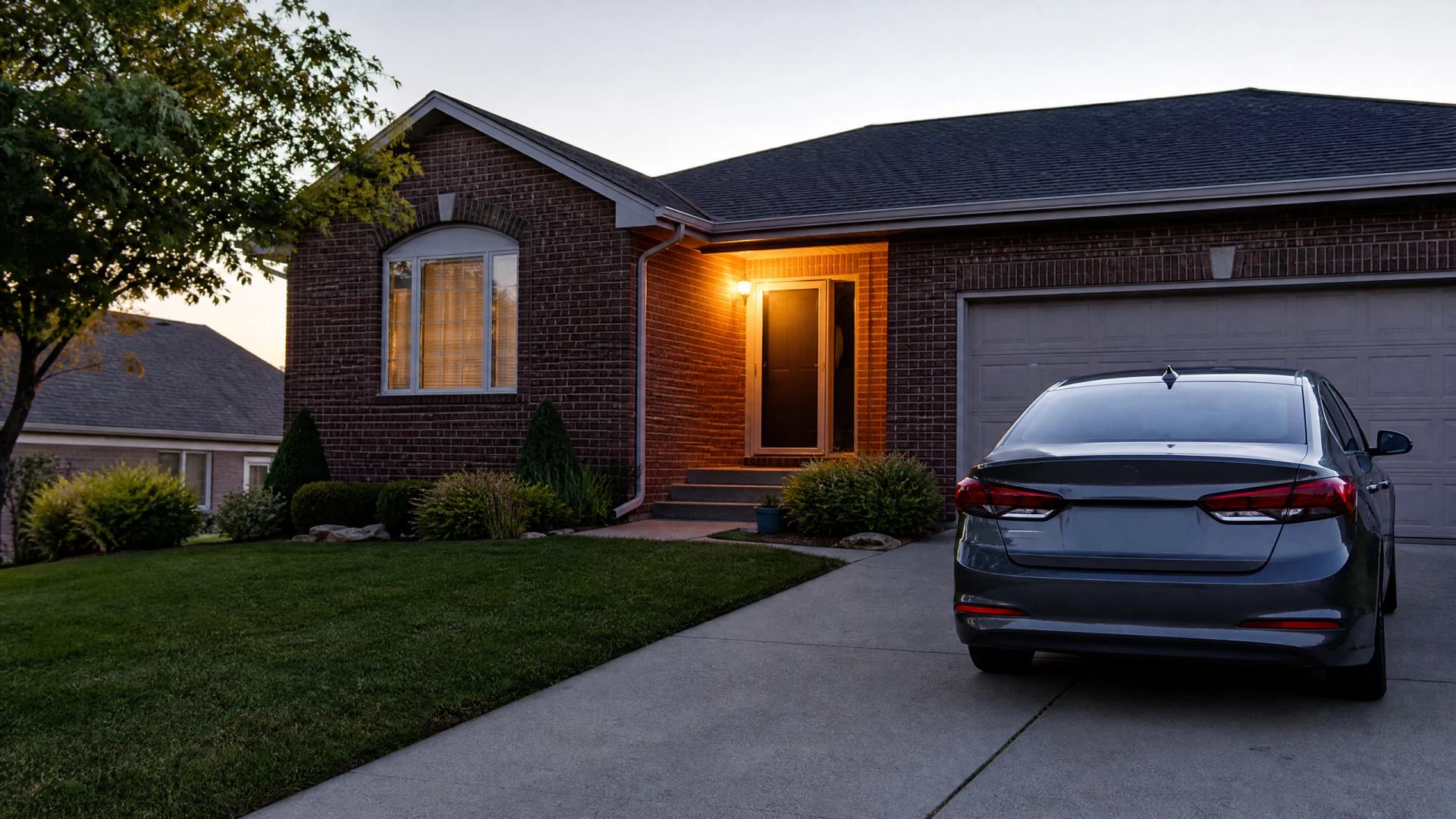
A couple had carried 50/100 liability limits since they first got a car in their early twenties. They never thought about the number again until they bought a house, and their lender asked for proof of home insurance but said nothing about the car policy. One of them mentioned it to a cousin who worked in claims, who pointed out that owning a home changes what you stand to lose if you're ever at fault in a serious accident. Before, their biggest asset was a car. Now it was a house, and a court judgment against them could reach savings, equity, even future wages.
They called their insurer to ask what raising the limit to 100/300 would cost. It was a modest increase, especially next to the mortgage payment they were already adjusting to. They raised the limit on both cars, kept the rest of the policy the same, and moved on to the next task on their list. A year later, nothing happened, no accident, no claim. But they stopped worrying every time they merged onto the highway, because they knew the number attached to their name now matched what they actually had to protect.

The short version
100/300 means up to that much per person and per accident for injuries you cause, double and triple the amounts in 50/100. Buying a home raises what you have to lose in a lawsuit, so your limit should rise with it. Raise it before you compare quotes.
Does raising my liability limit also mean I need an umbrella policy?
Not necessarily, but owning a home is exactly when people start asking. An umbrella policy sits on top of your car and home liability coverage and takes over once those limits run out. It usually requires you to carry a certain base limit on your car policy first, often something at or near 100/300, before an insurer will sell you the umbrella.
Whether you need one depends on how much you have to protect. If your equity, savings and future earnings add up to more than your liability limits would cover, an umbrella is worth pricing out. If you're still building equity and don't have much saved, raising your car and home liability limits may be enough for now. Ask your insurer what base limits they require, since that number varies by company.
Now that you know what limit fits a homeowner's risk, compare quotes at that limit to see what it actually costs you.

Raising your limit from 50/100 to 100/300
If you do
Your per-person and per-accident caps both grow, so a serious injury claim is less likely to exceed your coverage and reach your savings or home equity. Your premium rises, but usually by a small amount compared to the jump in protection. You can do this in one call, without changing anything else about your policy.
If you don't
You keep paying less each month, but a bad accident involving injuries to multiple people could blow past your 50/100 limit fast. Once that happens, you're personally on the hook for the rest, and a lawsuit can reach your house, savings and wages. The risk doesn't show up until the day you need it.

What actually changes between these two limits
- Per-person cap doubles 50/100 pays up to the first number for any one injured person, 100/300 doubles that. If one person is seriously hurt, this is the number that decides whether you're covered or exposed.
- Per-accident cap triples The second number is the total across everyone hurt in one accident. 100/300 gives you three times the room when more than one person is injured, which matters most in multi-car crashes.
- Cost difference is usually small Raising this limit is one of the cheaper upgrades you can make to a policy. Call your insurer and ask for the exact difference before deciding, since it varies by company and driving record.
- Bundling can offset the cost Combining your car and home policies with the same insurer often unlocks a discount that can cover part or all of a higher liability limit. Ask specifically about this when you request quotes.
- Minimums ignore your house Many states still allow limits far below 100/300, but that number was never designed with a homeowner's assets in mind. Check your state's minimum, then decide your own limit based on what you'd lose, not what's required.
Why the limit should match what you own, not just the law
Liability limits exist to cover what you owe someone else when you're found at fault for an accident that hurts them. The two numbers in 50/100 or 100/300 set a per-person cap and a per-accident cap. Medical costs, lost income and legal judgments all draw from that same pool, and once it's used up, you pay the rest yourself. A minor fender bender rarely tests these limits. A crash that injures two or three people easily can.
Before you owned a home, a judgment against you had less to reach. Wages can be garnished and some states allow savings to be seized, but a renter with little in the bank is a harder target for a large claim. A homeowner is a different case. Home equity is a visible, documented asset, and it's often one of the first things a judgment looks to collect against. Raising your liability limit is less about the odds of a bad accident and more about what's now on the table if one happens.
The jump from 50/100 to 100/300 usually costs much less than the coverage difference suggests, because insurers price liability increases based on the added risk to them, which is small relative to the added protection for you. This is why agents often recommend it as one of the first upgrades after a major purchase like a home. It's efficient coverage for the price.
There are cases where 100/300 isn't the ceiling either. If you have significant savings, investments or a high income, even 100/300 might not fully protect you, and that's when people look at umbrella policies. On the other end, if you're carrying real financial hardship and have little to protect yet, the state minimum might be what you can manage for now, with a plan to raise it as your situation changes. The right limit is the one that matches what you'd actually lose, and that number is personal to your situation, not a fixed rule.